
Treatments
Massage, Joint manipulation, Passive Stretching, Acupuncture and Shockwave Therapy
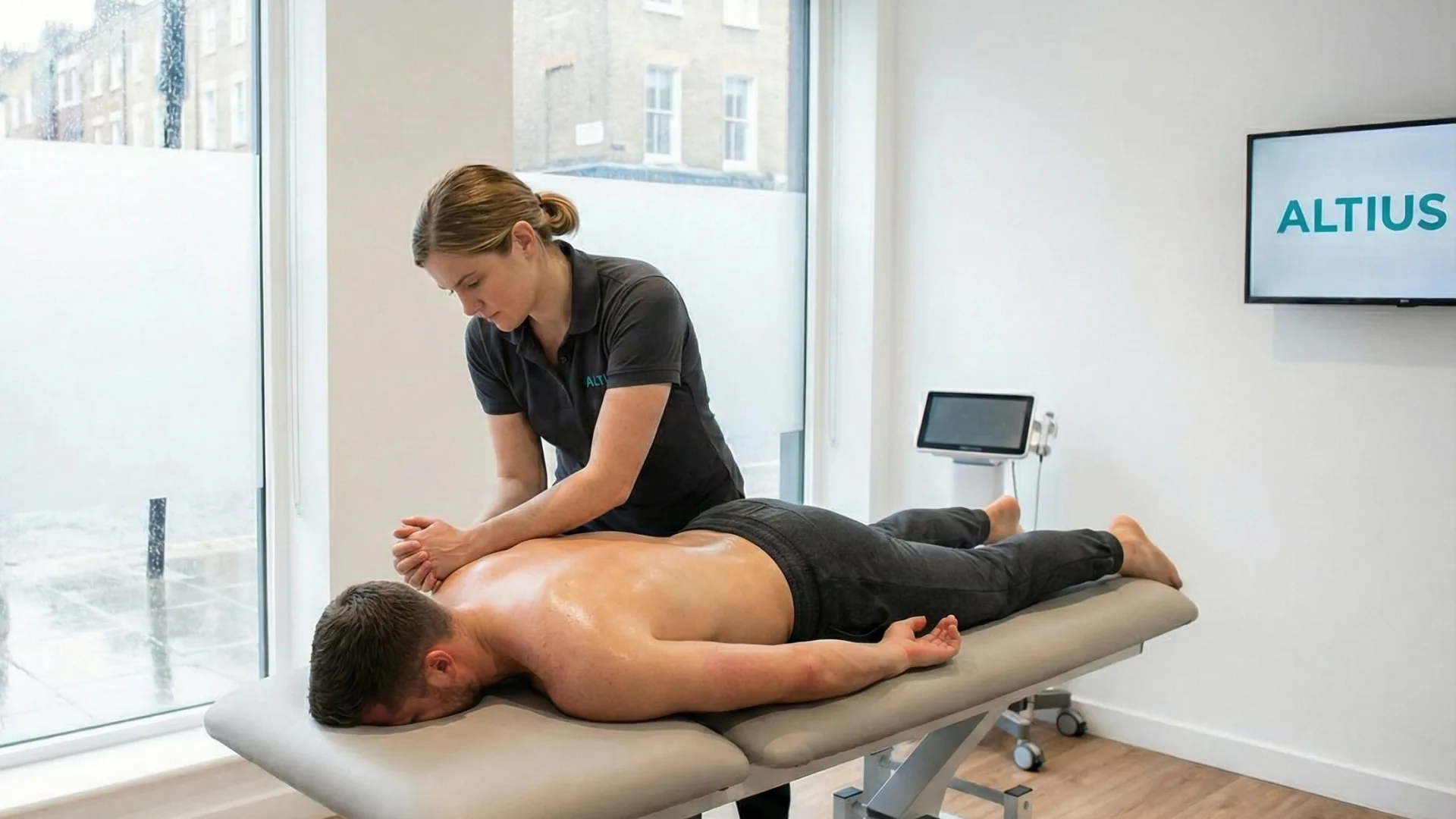
Massage Therapy
Massage therapy is widely used in private physiotherapy practice to reduce muscle tension and pain, to allow for more movement, exercise and ease with day-to-day activities. At Altius, all of our physiotherapists are highly experienced in massage therapy, which may include:
- Sports massage
- Trigger point release
- Post-isometric relaxation
- Lymphatic massage
- Deep transverse frictions
All of the above massage techniques promote healing within the muscle by increasing blood flow, removing any waste products and reducing pain signals within the central nervous system. This increases muscle flexibility, plus aids the ability to move with less fear and less pain. At Altius, your experienced therapist will compliment your massage treatment with an exercise programme specific to your own individual needs, to ensure you meet your goals and demands of your day-to-day life. We are also passionate about injury prevention, and we can therefore offer maintenance massage sessions when you have recovered from your injury.
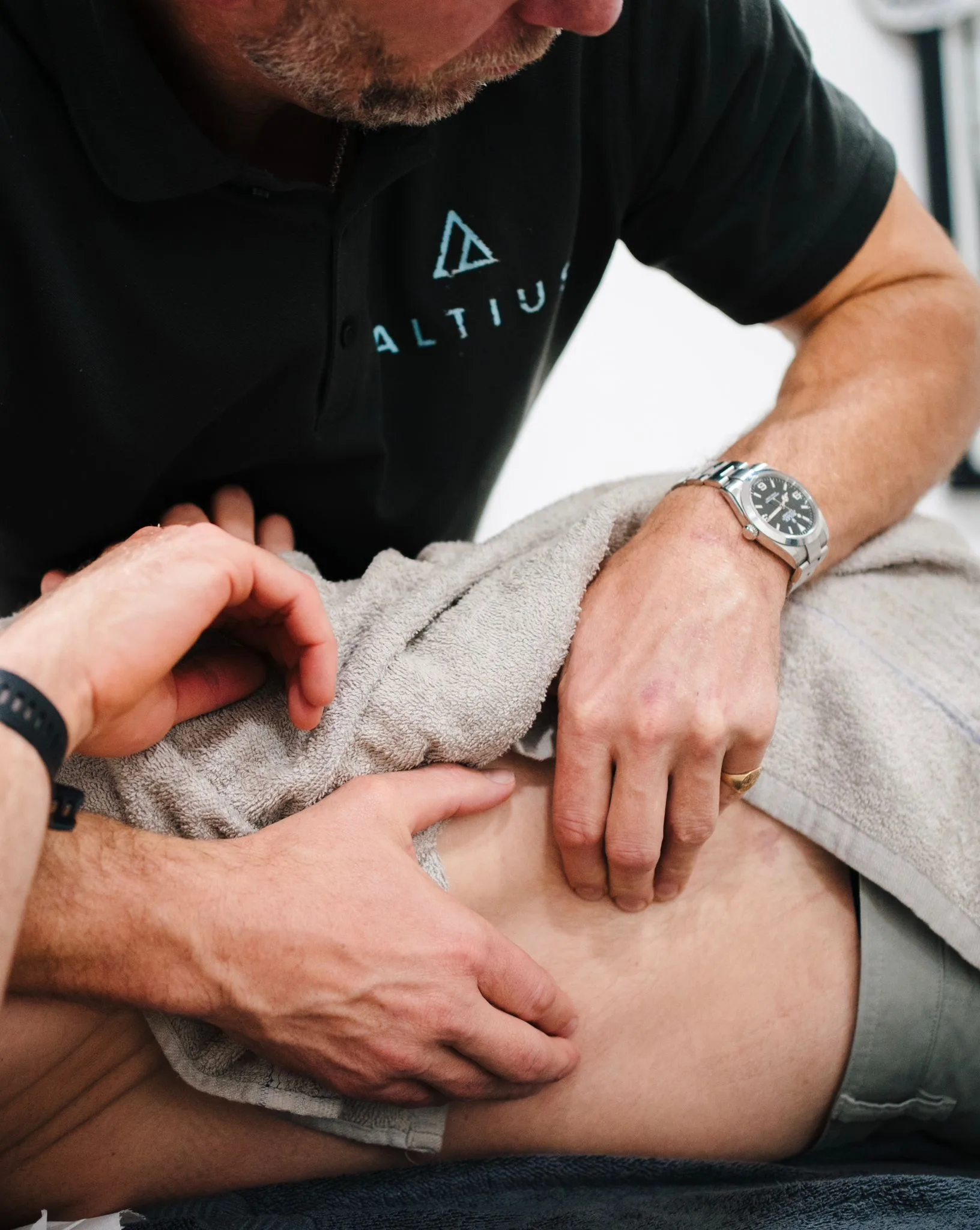
Joint Mobilisation / Joint Manipulation
Joint mobilisation and joint manipulation are a types of manual therapy treatment used by our physiotherapists and sports therapists. Joint mobilisations are small, precise movements at a joint which are performed to reduce pain and improve movement. Joint manipulations are an end range thrust which gains an audible “click” from the joint, again to reduce pain and improve movement.
Our experienced therapists at Altius, will complete an initial assessment with you to discuss your treatment options, which may include joint mobilisations and/or manipulations if deemed appropriate for you, to aid your recovery. Our highly qualified members of staff, will be able to adapt for any level of pain, ensuring you receive an extremely professional experience. Similarly to massage therapy, your therapist will compliment the treatment by giving you an individual exercise programme to help you gain long term benefits (and not just short-term gains by having manual therapy in isolation.)
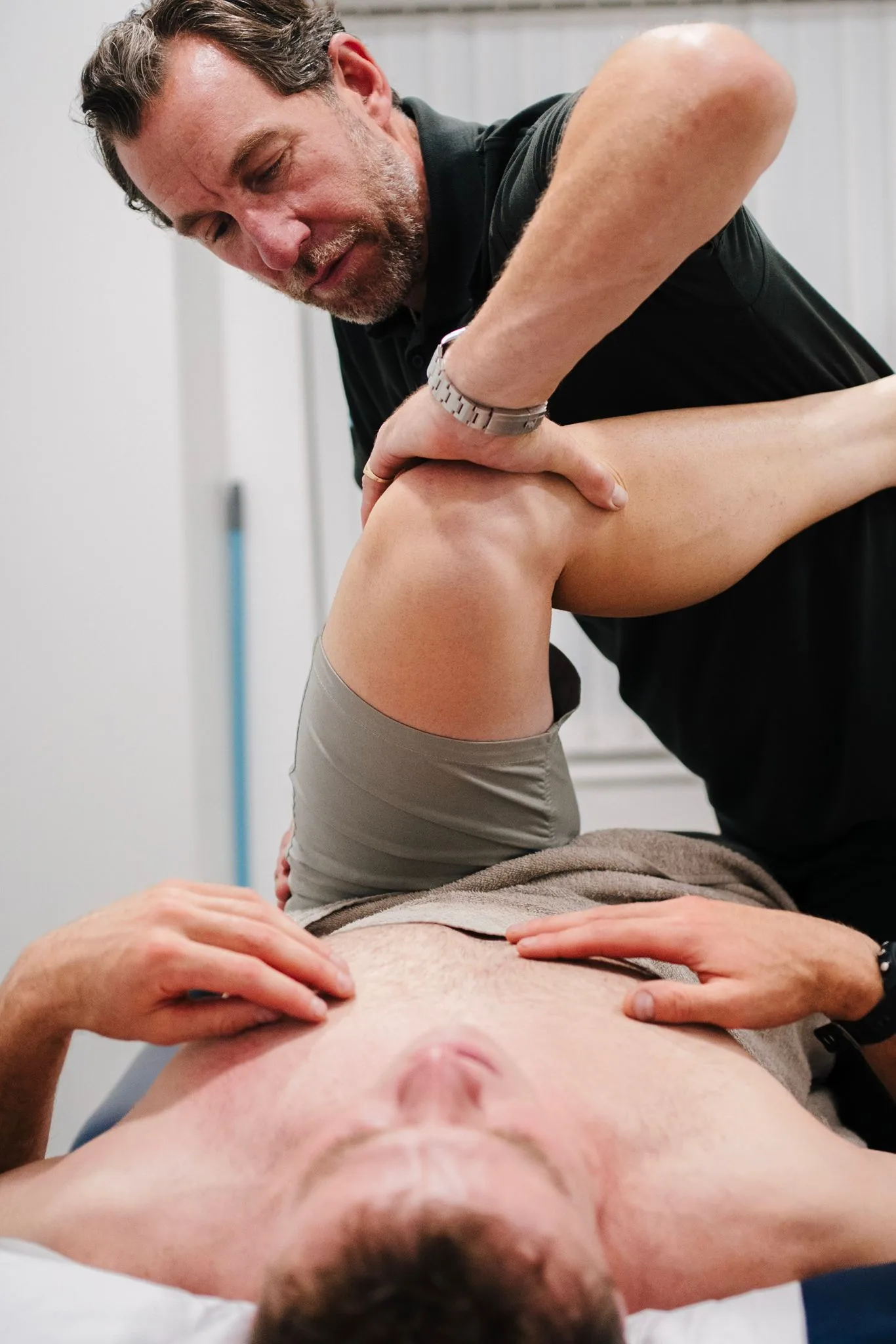
Passive Stretching
Passive stretching is on the rise in physiotherapy and sports therapy as an additional manual therapy technique to reduce muscle tension, reduce pain and increase range of movement – and therefore improve functional and exercise ability. Passive stretching is a technique whereby the therapist will move you into a position and hold the position to lengthen (stretch) the muscle. It is a sustained stretch, which doesn’t cause any pain.
Your experienced physiotherapist or sports therapist will be able to assess you to find your own individual areas of tightness, to ensure you have attention to the muscles that need it the most. When your flexibility is increased through passive stretching, you will feel lighter and more able to move in and out of different postures. You will also be able to exercise into a greater range of movement which will help you maintain the amazing effects of your passive stretching session. Passive stretching also promotes relaxation and aids well-being, so it is easy to see why this type of treatment is on the rise!
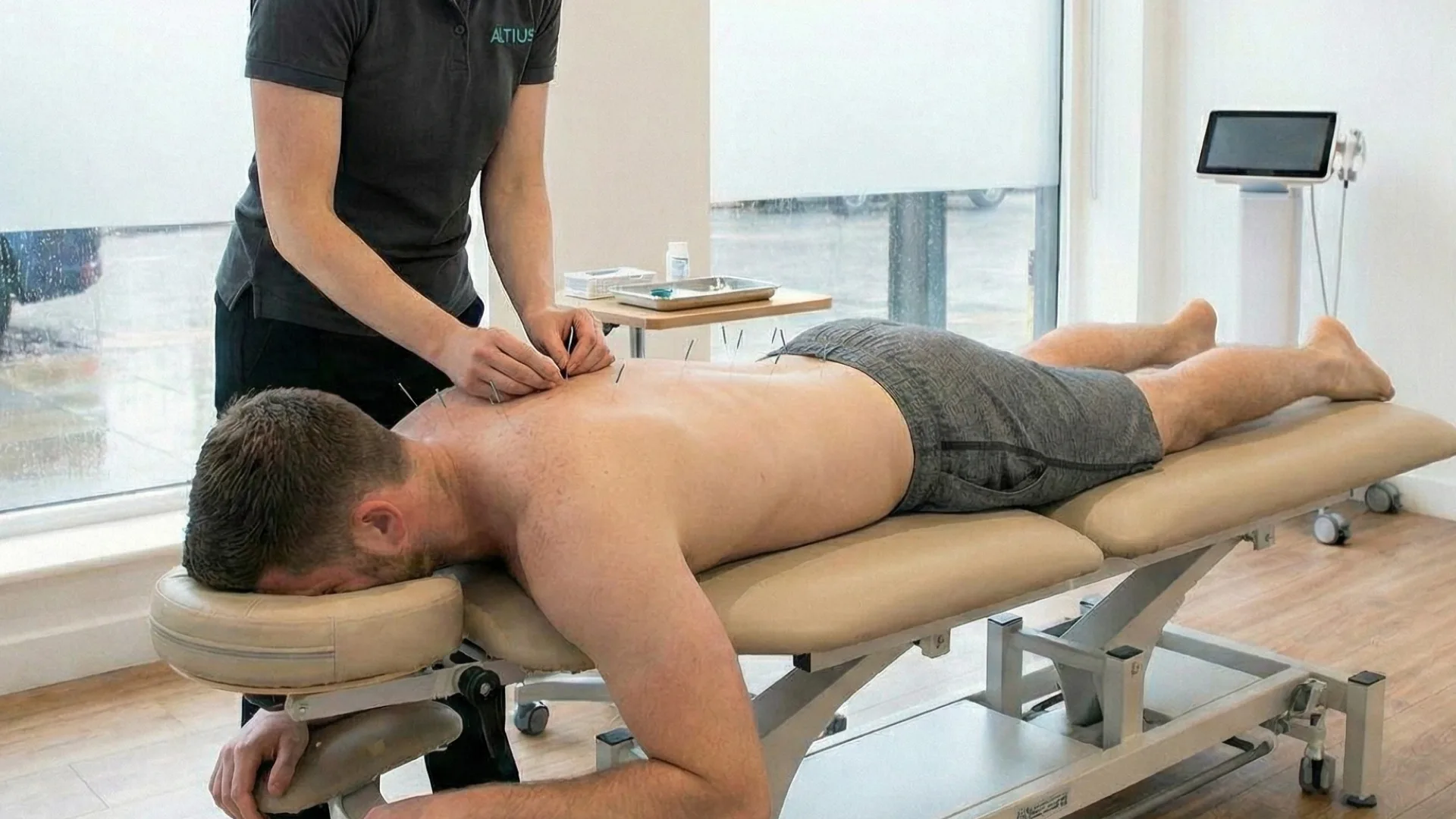
Acupuncture
Acupuncture is a treatment method used within physiotherapy and sports therapy which involves inserting fine, sterile needles into the body. It is referred to as “Western acupuncture” or “dry needling” within our profession. The needle targets “trigger points” or “muscle knots”, which causes the tightness in the muscle to twitch and relax upon insertion. The local effects of the needle stimulate blood flow to aid tissue repair and removal of any waste products. There are also effects which take place within the central nervous system. The sensation of the needle inhibits pain signals and releases the body’s natural pain killers such as endorphins, enkephalins and serotonin. Due to all of these amazing effects, you will feel less pain and move easier after having acupuncture. It will help to enhance your overall well-being/mood and it can also help to improve sleep.
At Altius, your experienced therapist will advise you on how many sessions you are likely to need, depending on the severity of your injury or condition. Generally speaking, recent injuries would need less input than chronic conditions. As with manual therapy techniques, acupuncture is not advised as a stand-alone treatment but is best implemented as a combined treatment approach, for example with exercise, advice and education.
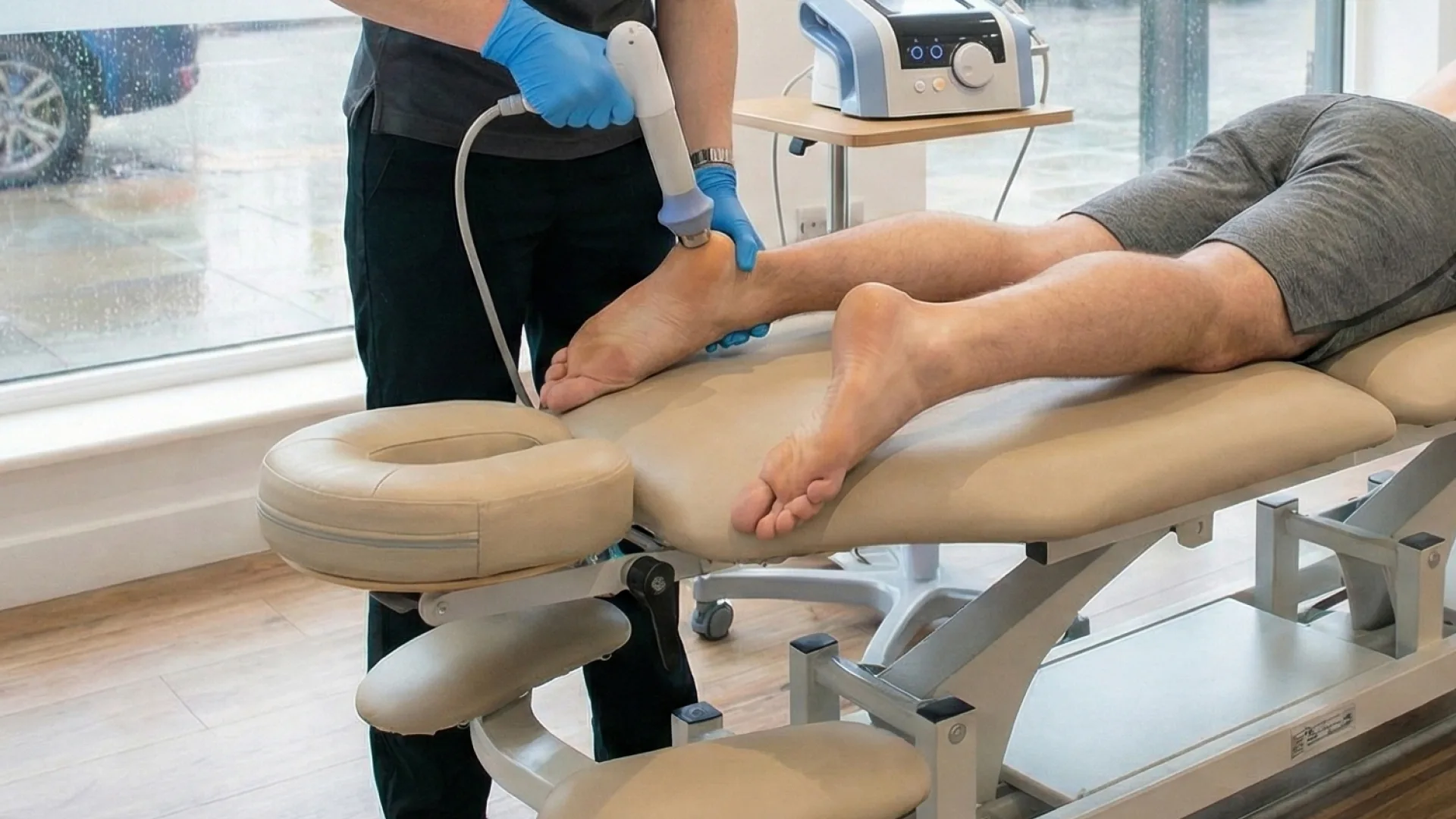
Shockwave
Shockwave is another highly effective treatment used within physiotherapy, which is becoming increasingly popular as an evidence-based treatment approach. Shockwave therapy is delivered with a handheld device which sends high-energy sound waves into the tissue to stimulate healing. Micro-stress from the sound waves produces a very small, controlled inflammatory reaction which helps to trigger the body’s repair response. This leads to repair of tissues on a cellular level in addition to a process called neuromodulation, which means that abnormal pain signals are blocked and equilibrium of the nervous system can be restored.
At Altius, your experienced physiotherapist would firstly see if your condition is appropriate for shockwave therapy during your initial assessment. Certain chronic conditions such as plantar fasciitis, tennis elbow and achilles tendinopathy are suitable for shockwave therapy for example. We do not have shockwave therapy available at all of our Altius clinic locations at the moment, so if you are interested in this form of treatment, please give the office a call to ensure you are booked in at the correct location.
Ready to get started?
Our services can be booked directly below. Have any questions? Call 0161 826 6861 or Contact us here.